
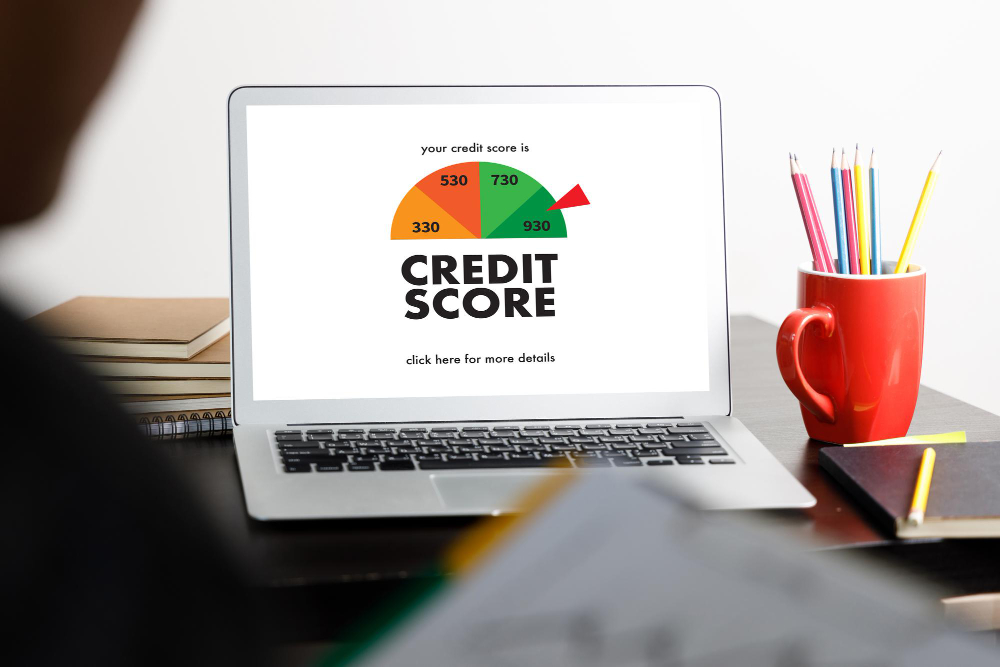
A good CIBIL score is essential for anyone planning to take a loan or apply for a credit card in India. Banks and financial institutions use your CIBIL score to assess how responsibly you manage credit and how risky it is to lend money to you.
Many people face loan rejections or higher interest rates simply because their CIBIL score is low or poorly managed. The good news is that improving your CIBIL score is possible with the right financial habits, discipline, and time.
This complete 2026 guide explains how to improve your CIBIL score fast in India, what actually works, common mistakes to avoid, and how long improvement usually takes.
What Is a CIBIL Score?
A CIBIL score is a three-digit number that reflects your credit history and repayment behaviour. It is calculated using information shared by banks and NBFCs with credit bureaus.
CIBIL Score Range in India
| CIBIL Score Range | Category | What It Means |
|---|---|---|
| 300 – 549 | Poor | High rejection risk for loans and credit cards |
| 550 – 649 | Fair | Credit possible but at higher interest rates |
| 650 – 749 | Good | Better approval chances with moderate rates |
| 750 – 900 | Excellent | Faster approvals and lower interest rates |
Most lenders in India prefer applicants with a CIBIL score of 750 or above.
Why Is Your CIBIL Score Important?
Your CIBIL score directly impacts loan approvals, interest rates, credit card eligibility, credit limits, and approval speed. A strong score also helps when choosing the right credit card based on cashback, rewards, and limits.
How Is CIBIL Score Calculated?
Understanding how your score is calculated helps you improve it systematically.
Key Factors That Affect Your CIBIL Score
| Factor | Impact Level | Why It Matters |
|---|---|---|
| Payment history | Very high | Shows repayment discipline |
| Credit utilisation ratio | High | Indicates financial stress |
| Length of credit history | Medium | Reflects long-term stability |
| Credit mix | Medium | Shows ability to manage different credit types |
| Credit enquiries | Low to medium | Too many applications reduce trust |
Payment History
Late payments, missed EMIs, and credit card defaults negatively affect your score. Even one delayed payment can have an impact.
Credit Utilisation Ratio
This shows how much of your total credit limit you are using. Ideally, utilisation should stay below 30 percent. Using zero annual fee credit cards in India wisely can help spread expenses and keep utilisation low.
Length of Credit History
Older accounts improve your score by showing long-term financial behaviour. Closing old credit cards can temporarily reduce your score.
Credit Mix
A balanced mix of secured loans such as home or car loans and unsecured credit such as credit cards helps improve your credit profile.
Credit Enquiries
Every loan or credit card application creates a hard enquiry. Too many enquiries in a short period can reduce your CIBIL score.
How Fast Can You Improve Your CIBIL Score in India?
There are no legal overnight fixes.
Realistic Improvement Timeline
| Situation | Expected Time |
|---|---|
| Minor late payment | 30 to 60 days |
| High credit utilisation | 3 to 6 months |
| Multiple missed EMIs | 6 to 12 months |
| Loan default or settlement | 12 to 24 months |
Anyone promising instant improvement should be avoided.
Step-by-Step: How to Improve Your CIBIL Score Fast in India
Pay All EMIs and Credit Card Bills on Time
Timely repayment is the most important factor. Enable auto-debit, pay before due dates, and avoid paying only the minimum amount due.
Reduce Your Credit Utilisation Ratio
For example, if your credit card limit is ₹1,00,000, try to keep usage below ₹30,000. Avoid maxing out cards and consider spreading expenses across multiple cards if needed.
Do Not Close Old Credit Cards
Older cards help maintain a longer credit history. Keep them active with small transactions. Closing them can temporarily reduce your score.
Avoid Multiple Loan or Credit Card Applications
Each application creates a hard enquiry. Apply only when necessary and space applications by several months.
Check and Correct Errors in Your CIBIL Report
Common errors include closed loans shown as active or incorrect late payment records. Disputes can be raised through official credit bureau channels and usually take 30 to 45 days to resolve.
Good vs Poor Credit Behaviour
| Good Credit Habits | Poor Credit Habits |
|---|---|
| Paying EMIs on time | Missing or delaying payments |
| Using less than 30% credit limit | Maxing out credit cards |
| Limited credit applications | Applying for multiple loans or cards |
| Keeping old accounts active | Closing old credit cards |
| Regular credit report checks | Ignoring credit report errors |
How to Check Your CIBIL Score for Free in India
Checking your own CIBIL score is treated as a soft enquiry and does not reduce your score. Regular monitoring helps track improvement and identify errors early. Checking once a month is generally sufficient.
Loan Closure vs Loan Settlement Impact
| Aspect | Loan Closure | Loan Settlement |
|---|---|---|
| Impact on CIBIL score | Positive or neutral | Negative |
| Credit report status | Closed | Settled |
| Future loan eligibility | Better | Restricted |
| Lender trust | High | Low |
Loan settlement should be considered only as a last resort.
Soft Enquiry vs Hard Enquiry
| Enquiry Type | Score Impact | Example |
|---|---|---|
| Soft enquiry | No | Checking your own CIBIL score |
| Hard enquiry | Yes | Applying for a loan or credit card |
Common Mistakes That Reduce CIBIL Score
Common mistakes include paying only the minimum due on credit cards, excessive use of Buy Now Pay Later services, ignoring small EMIs, settling loans instead of closing them properly, and trusting unverified agents. Many of these issues can be avoided by managing your monthly salary smartly and planning expenses in advance.
What to Do If Your CIBIL Score Is Very Low
If your score is below 600, start with secured credit options, use small limits responsibly, focus on consistent repayments, and avoid shortcuts or settlement offers. Building disciplined habits early also supports better financial behaviour over time.
Frequently Asked Questions
Can I improve my CIBIL score in 30 days?
Minor improvements are possible, but significant changes usually take longer.
Does checking CIBIL score reduce it?
No. Checking your own score is a soft enquiry.
How long does a late payment affect CIBIL score?
Late payments can affect your score for years, but their impact reduces with consistent good behaviour.
Is loan settlement bad for CIBIL score?
Yes. Settlements negatively impact your credit profile compared to proper loan closure.
Important Disclaimer
This article is for educational and informational purposes only. Stalk Trend does not provide financial or credit advice. Credit score impact varies based on individual financial behaviour and lender policies. Always consult official financial institutions or credit bureaus before making decisions.